Key Takeaways
- Eyelid twitching is an involuntary muscle spasm, usually harmless and short-lived.
- Common factors include caffeine, poor sleep, stress, screen strain, and dry eyes.
- One-eye twitching differs from both-eye twitching and can point to different causes.
- Simple lifestyle changes can help calm most cases of twitching.
- Some symptoms are worth getting checked by an optometrist sooner rather than later.
Most Eyelid Twitches Are Harmless
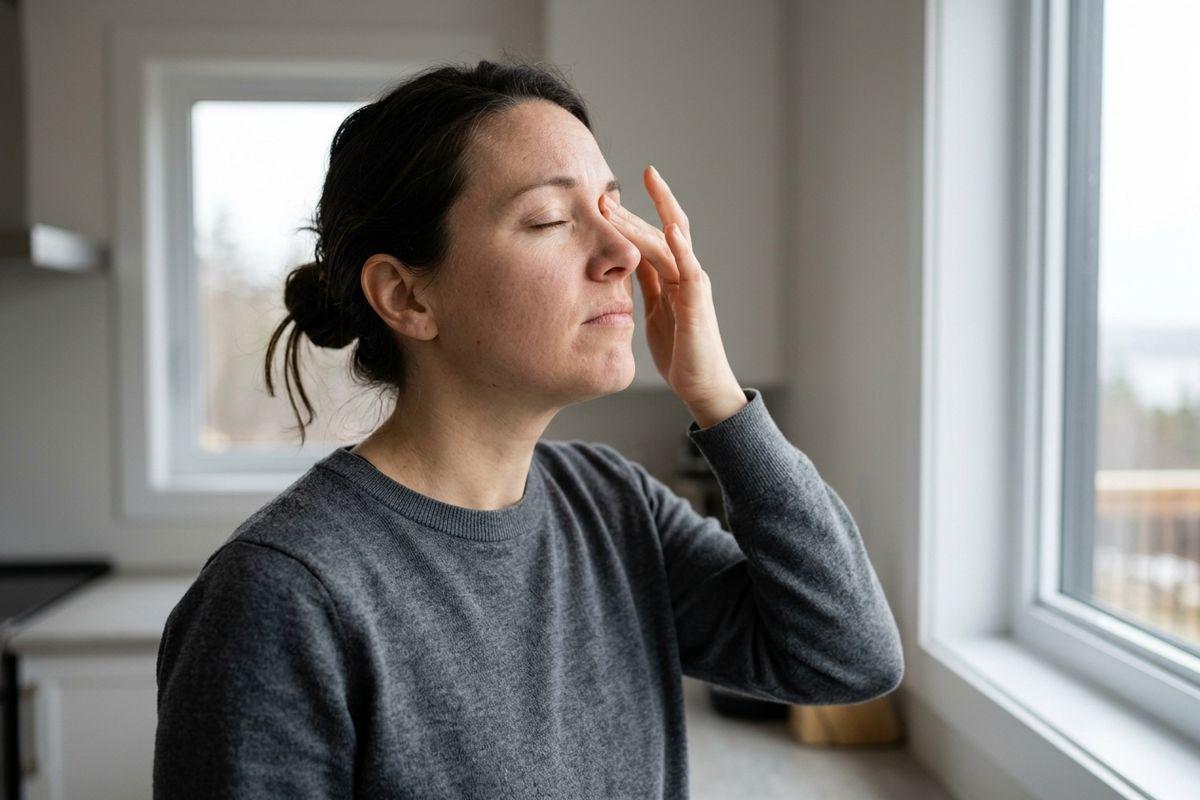
Your eyelid starts fluttering out of nowhere. Nobody else can see it, but you can feel it. It’s distracting, a little weird, and honestly kind of annoying. The good news is that most eyelid twitches are nothing serious.
An eyelid twitch is an involuntary muscle spasm in the eyelid, most often in the upper lid. It can affect one or both eyes. Eyelid twitching usually comes and goes on its own, but knowing what’s behind it can help you figure out when to ride it out and when to get it looked at.
Our team at Island Eyecare is here to help you do exactly that, with thorough care right here in Sydney. If you’re not sure what’s going on with your eyes, booking an appointment is a straightforward first step.
Common Factors Behind Eyelid Twitching
Lifestyle Factors
The most common culprits are the everyday ones. Too much caffeine, not enough sleep, and high stress levels can all make your eyelid muscles more reactive. If you’ve had a few late nights in a row or if your coffee intake has crept up, that could be all there is to it.
Screen time plays a role too. Staring at a phone, laptop, or tablet for hours puts a lot of strain on your eyes, and that strain can show up as twitching. If you want to learn more about what prolonged screen use does to your eyes, digital eye strain is worth reading up on.
Eye-Related Factors
Dry eyes and irritation on the surface of the eye are also associated with eyelid twitching. When your eyes aren’t properly lubricated, the muscles around them can respond with spasms. Light sensitivity can often add to the problem, making twitches more noticeable or frequent.
When Only One Eye Twitches vs. Both
Single-Eye Twitching
When just one eyelid is twitching, the culprit is often a condition called myokymia. It’s common, usually harmless, and tends to go away on its own once the underlying factor, like fatigue or caffeine, is addressed. In rare cases, twitching in a single eye can be related to nerve pressure, so it’s worth bringing up to a healthcare professional if your eye twitching persists.
Both Eyes Twitching Together
When both eyes twitch at the same time, this may point to something called benign essential blepharospasm. Benign means it isn’t dangerous, but it can still be disruptive to daily life. If this is happening to you regularly, it’s worth booking an appointment.

How to Calm a Twitchy Eyelid
Most eyelid twitches respond well to small, practical changes. Here are some things that can help:
- Cut back on caffeine and prioritize getting enough sleep each night.
- Use lubricating eye drops to reduce dryness and surface irritation.
- Wear sunglasses in bright conditions to reduce light-related strain.
- Take regular breaks from screens throughout the day using the 20-20-20 rule.
None of these are complicated, but they can all make a real difference. Give your eyes a chance to recover, and many twitches settle down on their own.
When to See an Eye Doctor
Signs Worth Paying Attention To
Most eyelid twitches are harmless, but some signs are worth having checked out. If the twitching doesn’t settle down or if it gets worse over time, that’s a good reason to see an optometrist. Redness, swelling, or any discharge around the eye are also worth getting looked at. In some cases, these kinds of symptoms can point to an issue that needs emergency eye care.
Red Flags That Need Prompt Attention
A few symptoms go beyond typical twitching. If spasms start spreading to other parts of your face, or if your eyelid is closing fully on its own, don’t wait it out. These aren’t standard symptoms of twitching, and an eye doctor can help you figure out what’s going on.
At Island Eyecare, our team is here to answer your questions. Whether your eye twitching is a passing nuisance or something more serious that keeps coming back, you don’t have to keep guessing. Book an appointment today and get some real answers.