Key Takeaways
- Myopia means faraway objects look blurry while nearby objects are clear.
- Myopia is most often caused by the eye growing too long from front to back, which causes distant vision to be blurry.
- Myopia is usually a long-term condition, but prescriptions can sometimes decrease
- The right care can slow how fast myopia progresses in kids.
- Eye exercises, supplements, and pressing on the eyes do not reverse myopia.
- Daily outdoor time and regular eye exams can help protect long-term vision.
If your child has myopia, you may have noticed them squinting at objects in the distance, like a whiteboard or TV screen. As they age, their prescription may get stronger each year, which can make many parents wonder if myopia can be reversed. Our team at Island Eyecare is here to answer this question and help you decide if myopia control is right for your family.
Myopia is generally considered a long-term condition, but prescriptions can sometimes decrease. For children, the goal of myopia management is usually to slow progression and reduce the amount of myopia they develop over time.
What Myopia Means for Your Eyes
Myopia, also called nearsightedness, is when close-up objects stay clear, while distant objects such as street signs, the TV across the room, and faces down the hall look fuzzy.
Myopia can happen when the eye grows too long from front to back. This causes light to land slightly in front of the retina (at the back of the eye) instead of directly on it, which is why distant objects look blurry.
Most of the time, myopia starts in childhood, becoming stronger through the teen years as the eye grows. This is why some children need stronger prescriptions as their eyes continue to grow.
The Honest Answer About Myopia Reversal
In most cases, myopia develops because the eye grows longer from front to back, causing distant objects to look blurry. While myopia is generally a long-term condition, a person’s prescription can sometimes decrease over time. Standard glasses and contact lenses correct blurry vision by helping light focus in the right place, but they don’t change the underlying shape or growth of the eye. Myopia-management glasses and contact lenses, however, are designed to help slow the progression of myopia by influencing how the eye grows.
Why Myopia Can Change Over Time
Myopia doesn’t always follow a straight path. A prescription may become stronger as a child’s eyes grow, remain stable for a period of time, or occasionally become less nearsighted. These changes can happen for different reasons and don’t necessarily mean that the eye has returned to its previous shape.
That’s why regular eye exams are important, especially for children. Tracking changes in your child’s prescription and eye growth gives your optometrist a clearer picture of how their myopia is developing and whether myopia management may be appropriate.
What Myopia Management Really Means
Myopia management focuses on slowing how fast myopia progresses with the end goal of reducing your child’s final prescription. Once the eyes have stopped growing in early adulthood, myopia management won’t work anymore. That’s why kids and teens are often the best candidates for myopia control, because their eyes are still growing.
Common Myths to Avoid
There is plenty of advice that floats around online, and some of it can waste your time or actually cause harm. Here are some common things you might see:
- Eye exercises may feel productive, but they can’t shorten the eye or undo myopia.
- No vitamin, juice, or supplement reverses nearsightedness, no matter what the label claims.
- Pressing or rubbing the eyes to “reset” them risks real damage and does not help reverse myopia.
Avoiding these myths can save you money and help you focus on what actually supports clear, healthy vision.
Why Myopia Is Becoming More Common
More Screen and Close-Up Time
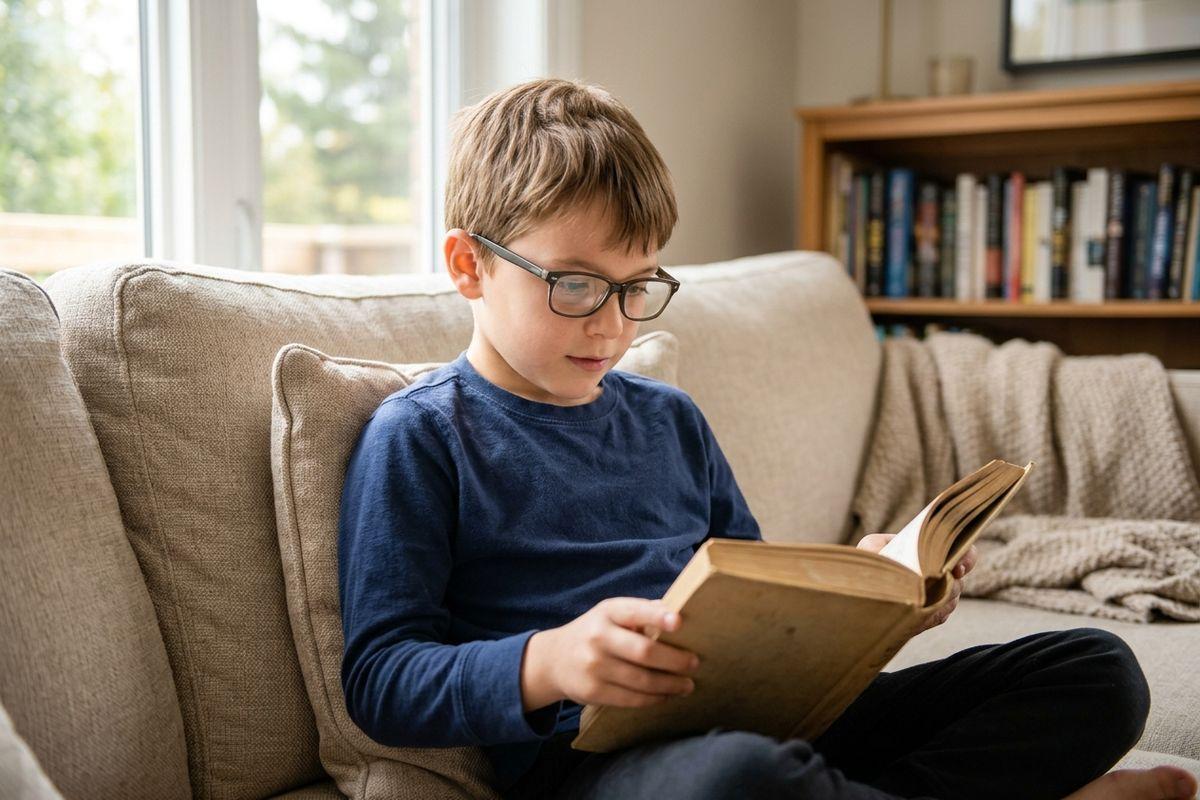
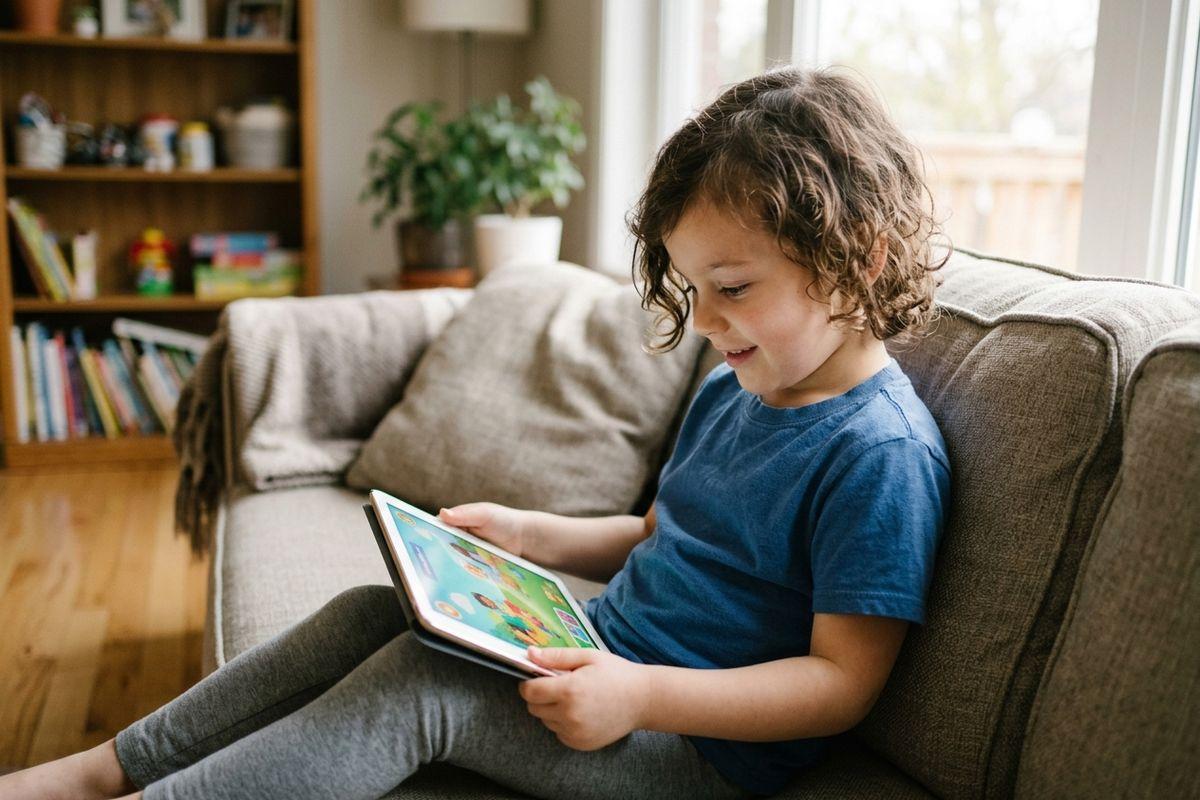
Phones, tablets, homework, and books fill more hours of the day than they used to. All that close-up focus is thought to contribute to increasing rates of myopia.
Less Time Outdoors
Children are spending less time outdoors than they used to, which may also be impacting rates of myopia. More time spent outdoors has been associated with a lower risk of developing myopia in children, and natural light is thought to play an important role. Aiming for 90+ minutes outside each day can give eyes a break from constant close-up work and lets them focus on far-off trees, fields, and the beautiful Sydney landscape.
Ways to Slow Myopia and Protect Vision
Modern Treatment Options
Our team can walk you through myopia control choices that fit your child’s age, prescription, and daily routine. We take the time to listen to your family’s individual needs and tailor our recommendations to your child. Here are some of the options we provide:
- Myopia control glasses and soft contact lenses, designed to slow how fast the prescription changes.
- Overnight ortho-k lenses, worn while sleeping to gently reshape the surface of the eye for clearer daytime sight.
- Low-dose atropine eye drops, used at bedtime to help slow myopia progression in some kids.
Healthy Daily Habits
Small routines at home can support the overall comfort of your eyes. This can include habits like:
- Follow the 20-20-20 rule: Every 20 minutes, look at something 20 feet away for 20 seconds.
- Hold screens and books about an arm’s length from the eyes.
- Book regular eye exams so our team can track changes and adjust care early.
Together, these steps can help keep vision clear and comfortable through the school years and beyond.
Schedule Your Child’s Eye Exam
While myopia can change over time, there are real steps you can take to support your child’s vision and slow its progression. Our team at Island Eyecare is here in the heart of Sydney, ready to build a plan that fits your family with friendly, personalized care. Book an eye exam today and take the first step toward clearer days ahead.